Disclaimer
The information contained in this article is provided for general educational purposes only and reflects the perspective of an insurance liability investigator and loss adjuster. It is not intended as legal advice and should not be relied upon as such. The Liability Mann and Ken Mann Loss Adjusters are not attorneys and do not provide legal opinions. Where legal advice is required, readers should consult a suitably qualified legal practitioner.
Introduction
Perhaps no word is used more frequently in liability claims than negligence.
Claimants often allege that someone was negligent. Insured parties may deny negligence. Witnesses sometimes express strong opinions about who they believe was at fault. Even before an investigation begins, assumptions are often made about what “must have happened.”
However, experienced liability investigators know that negligence is not determined by opinion, emotion or hindsight.
Instead, negligence must be carefully examined by considering the circumstances that existed before the incident occurred—not after.
As liability investigators, our role is not to decide whether negligence legally exists. That remains a matter for insurers, legal practitioners and, where necessary, the courts. Our responsibility is to investigate the facts objectively and determine whether the available evidence supports or contradicts allegations of negligent conduct.
What Is Negligence?
In everyday conversation, negligence is often described as carelessness.
While this captures the general idea, liability investigations require a more structured approach.
Simply because someone made an error does not necessarily mean they were negligent.
Similarly, simply because damage occurred does not mean that someone failed to act reasonably.
When investigating liability claims, we generally ask one central question:
Did the person or organisation act as a reasonable person would have acted in the same circumstances?
This question lies at the heart of many negligence investigations.
The Importance of the “Reasonable Person”
One of the fundamental principles considered in negligence investigations is the concept of the reasonable person.
The reasonable person is not perfect.
They are not expected to anticipate every possible event or eliminate every conceivable risk.
Instead, they are expected to exercise ordinary care and take reasonable precautions against foreseeable dangers.
This distinction is important.
Investigators are not looking for perfection.
They are looking for reasonableness.
Looking Through the Correct Lens
One of the greatest challenges in any investigation is avoiding hindsight bias.
Once an accident has occurred, the cause often appears obvious.
People naturally ask:
“Why didn’t they see this coming?”
However, investigators must avoid judging past decisions using information that only became available after the incident.
Instead, we ask:
- What information was available beforehand?
- What risks were reasonably foreseeable?
- What precautions were realistically available at the time?
- What would a reasonable person have done in those circumstances?
This approach produces a fairer and more objective investigation.
Foreseeability
Not every risk can reasonably be anticipated.
Some events are so unusual that no reasonable person could have predicted them.
Others are common hazards that should have been anticipated and managed.
During investigations, we therefore ask:
- Was the hazard known?
- Had similar incidents occurred previously?
- Were complaints received?
- Were inspections carried out?
- Were warning signs present?
- Were defects visible?
- Were weather conditions predictable?
The more foreseeable a risk becomes, the greater the expectation that reasonable preventative measures should have been considered.
Preventability
Foreseeing a risk is only part of the enquiry.
Investigators must also consider whether reasonable steps could have reduced or prevented the risk.
For example:
A warehouse manager identifies a leaking roof months before heavy rains arrive but repeatedly postpones repairs.
The roof later collapses under water accumulation.
An investigation may consider:
- Was the defect known?
- Were repairs reasonably possible?
- Were temporary measures available?
- Were inspections documented?
Contrast this with an unprecedented weather event that causes structural damage despite appropriate maintenance.
Although the outcomes appear similar, the surrounding circumstances may be very different.
Evidence Before Conclusions
Experienced investigators avoid beginning an investigation with the assumption that negligence occurred.
Instead, evidence guides the conclusions.
Evidence may include:
- Photographs.
- CCTV footage.
- Maintenance records.
- Inspection reports.
- Training records.
- Contracts.
- Witness interviews.
- Weather information.
- Engineering reports.
- Applicable legislation.
- Industry standards.
Every piece of evidence contributes to building an objective picture of the incident.
Agricultural Liability: A Practical Example
Imagine a fire spreads from one farm to another during the winter fire season.
Neighbours immediately accuse the owner of the originating property of negligence.
An experienced investigator does not accept or reject this allegation without evidence.
Instead, questions may include:
- Were statutory firebreaks established?
- When were they last maintained?
- What were the prevailing weather conditions?
- Were firefighting resources available?
- How quickly was the fire reported?
- What was the ignition source?
- Did neighbouring properties contribute to the spread?
- Were mutual fire protection agreements in place?
Only after examining the available evidence can informed conclusions begin to emerge.
Commercial Liability Example
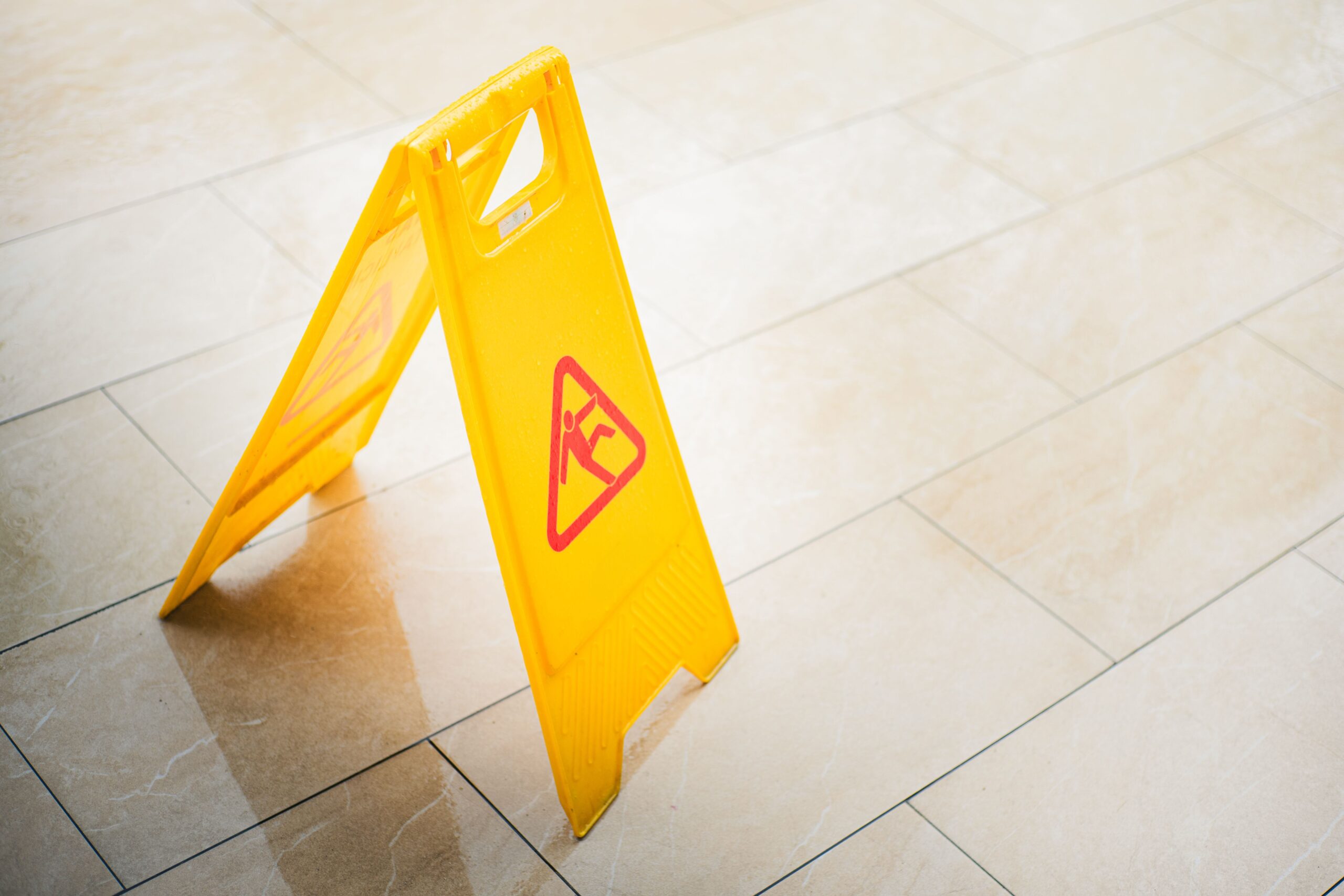
Consider a customer who slips in a supermarket.
At first glance, it may appear obvious that the business is responsible.
However, an investigation may reveal very different possibilities.
Questions include:
- What caused the person to fall?
- How long had the hazard existed?
- Were inspections being conducted?
- Were cleaning procedures followed?
- Were warning signs displayed?
- Did CCTV capture the incident?
- Were employees aware of the hazard?
- Was the claimant acting reasonably?
Each answer helps determine whether there is evidence that reasonable precautions may or may not have been taken.
Contractors and Negligence
Construction and contractor claims often present unique challenges.
Multiple parties may owe different duties.
An investigation may involve:
- Reviewing contracts.
- Determining responsibility for site safety.
- Examining supervision arrangements.
- Reviewing method statements.
- Considering compliance with occupational health and safety requirements.
- Establishing whether work was performed according to specification.
Negligence cannot simply be assumed because an accident occurred during construction activities.
Responsibility must be investigated carefully.
Common Misconceptions
Throughout our investigations, we frequently encounter misconceptions such as:
“There was an accident, therefore someone must have been negligent.”
Not necessarily.
Accidents sometimes occur despite everyone acting reasonably.
“If insurance exists, the insurer will simply pay.”
Insurance policies respond according to their terms, conditions and applicable legal principles.
A proper liability investigation assists insurers in determining whether legal liability may exist.
“The person closest to the incident is automatically responsible.”
Liability often depends upon many different factual and legal considerations that require careful investigation.
Why Thorough Investigations Matter
Negligence cannot be determined by assumptions.
It requires objective investigation.
It requires evidence.
It requires careful analysis.
By gathering reliable evidence and documenting the circumstances fairly, liability investigators assist insurers in making decisions that are informed, consistent and defensible.
This benefits all parties involved.
Where negligence is supported by evidence, the investigation helps establish the basis for liability.
Where evidence does not support negligence, the investigation provides equally valuable clarity.
Looking Ahead
Negligence is only one element of a liability claim.
Even where negligence appears to exist, it does not automatically establish liability.
There must also be a connection between the conduct and the resulting damage.
In our next article, we will examine causation—one of the most challenging aspects of any liability investigation—and explain why establishing cause often requires far more than identifying who made a mistake.
Key Takeaways
- Negligence is assessed objectively, not emotionally.
- Investigators consider what a reasonable person would have done in the same circumstances.
- Foreseeability and preventability are central considerations.
- Evidence—not assumptions—forms the basis of every professional investigation.
- Damage alone does not establish negligence.
- Thorough investigations assist insurers in making informed liability decisions.
The Liability Mann
Independent. Evidence-Based. Trusted.
Specialists in Insurance Liability & Agricultural Liability Investigations.